Solar panels, kits, generators and the gear in between. Real-world know-how, plain language, zero sales pitch. Built for people who'd rather boondock than plug in.
An RV solar setup is a small off-grid power station on your roof. Panels collect sunlight, a charge controller regulates it, batteries store it, and an inverter turns it into the household power your outlets expect. Everything on this site hangs off that chain: pick a weak link and the whole system underperforms, so we cover each part the way a practitioner would, not the way a brochure does.
A common starting point is 400W of panels with 200Ah of lithium battery. That comfortably covers lights, a 12V fridge, phones and laptops for most couples. Heavy users (air conditioning, microwaves) need 800W or more.
30-amp RV service maxes out at 3,600 watts (30A x 120V). A 3,500 to 4,000-watt generator covers a 13,500 BTU air conditioner plus basics. For 50-amp rigs, look at 5,500 watts and up.
Yes, but it takes a big system: roughly 1,200W or more of panels and a large lithium bank, since a roof AC pulls around 1,500 running watts. Most boondockers pair modest solar with a quiet generator for AC hours.
MPPT, in almost every case. It converts excess panel voltage into extra charging current, which matters most in cold weather and partial shade. PWM only makes sense for tiny trickle-charge setups.
Four jobs, four components. Understand this chain and every buying decision gets easier.
Panels on your roof turn sunlight into DC electricity. More watts, more harvest. Shade is the silent killer though, so placement matters as much as size.
The charge controller tames panel output into clean, battery-safe charging. MPPT controllers squeeze noticeably more from the same panels than basic PWM ones.
Batteries bank power for nights and cloudy stretches. Modern LiFePO4 batteries store far more usable energy than old lead-acid for the same weight.
The inverter turns stored DC into the AC your outlets, microwave and laptop chargers expect. Size it to your biggest single load, not your total.
Tick what you run and drag the hours. We do the math.
Rough starting point: assumes 5 peak sun hours and a 25% margin for losses and cloudy days. Battery sizing assumes LiFePO4 (about 80% usable capacity); lead-acid needs roughly double the Ah for the same usable energy. Always check your appliance labels; real draw varies by model.
Harvest assumes about 5 peak sun hours, a fair average for most of the US. Real numbers move with season, tilt and shade.
| Panels | Daily harvest | Runs comfortably |
|---|---|---|
| 100W | ~500 Wh | LED lights, phones, a small fan |
| 200W | ~1,000 Wh | Adds a laptop, vent fan, water pump |
| 400W | ~2,000 Wh | Adds a 12V fridge and TV |
| 800W | ~4,000 Wh | Adds microwave bursts and a coffee maker |
| 1,200W+ | ~6,000 Wh | Adds a roof AC, with a big lithium bank behind it |
Every guide we publish lives in one of these. Learn the territory first, then pick your gear.
Wattage is the first decision. Small panels trickle-charge a battery; big arrays run a whole rig.
Solar's backup singer. The right generator fills the gaps on cloudy days and runs the heavy stuff.
Panels get the glory, but batteries, controllers and wiring decide how the system actually performs.
Research-backed buying guides: specs checked against manufacturer sources, real owner feedback, and clear verdicts. New guides land here as they're published.

How RV solar wiring actually works: the full chain from panels to battery to inverter, series vs parallel with real numbers, fuses, polarity, and a worked 400W example.

Can solar power run an RV air conditioner? Yes, but it takes far more than a typical setup. Real numbers for running watts, startup surge, battery bank, and panels.

What an RV inverter does, pure sine wave vs modified sine wave, how to size continuous watts and surge, the battery relationship, and common inverter mistakes.

Size your RV solar the right way: daily watt-hours, peak sun hours, then panels, batteries, controller, and inverter, with two fully worked examples.

What is Solar On The Side? How the Zamp RV port works, why you need a charge controller, the reverse-polarity trap, and what size panel to use.

Can a 435W panel work on an RV? Roof fit, charge controller limits with real numbers, wiring, and daily output explained.
Typical ranges, not quotes. Sales move these numbers around, but the tiers hold.
A 200W panel, a basic controller and a battery. DIY-friendly, one afternoon to install.
Covers: Lights, phones, a fan and a laptop on weekend trips.
400 to 800W of panels, an MPPT controller, 200Ah+ of lithium and a 2,000W inverter. This is where most serious setups land.
Covers: Fridge, TV and microwave bursts, weeks off-grid.
1,200W+ on the roof, a big lithium bank and a 3,000W inverter. Basically a second electrical system.
Covers: Air conditioning for hours, all of it.
Hiring the install out usually adds $500 to $2,000 in labor, depending on roof complexity. Doing it yourself saves that, but only if you're comfortable drilling into a roof and crimping heavy cable.
Two numbers run the whole show: your daily watt-hours and your peak watts. Get those right and the shopping list writes itself.
List everything you run, multiply watts by hours, and you have daily watt-hours. Divide by 5 (typical peak sun hours) and add 25% margin. That is your panel wattage. Batteries follow: one day of autonomy at 12V, plus 20% headroom, gives amp-hours. The estimator above runs this exact math.
Generators are sized by start-up watts, not averages. A 13,500 BTU roof AC needs roughly 2,800 to 3,000 watts just to kick on, which is why 3,500W is the classic minimum for 30-amp rigs. A soft starter can cut that surge dramatically and is the cheapest upgrade in RV power.
12V is the default. It matches your RV's native wiring and keeps parts easy to find, and it's the right call under about 1,000W. Past that, higher voltage means thinner wires and less energy lost as heat: 24V suits 1,000 to 3,000W builds, 48V suits the big 3,000W+ systems. The catch is 48V needs 48V-native gear and a careful install, so skip it for your first system.
Three ways to make power off-grid. Most long-term boondockers end up with two of the three.
| Roof solar | Portable solar | Generator | |
|---|---|---|---|
| Upfront cost | $$ | $ | $$ |
| Installation | Roof mounting | None, unfolds in minutes | None |
| Noise | Silent | Silent | Loud, unless inverter type |
| Power delivery | Steady, every sunny day | Modest, easy to reposition | Big power on demand |
| Best for | Full-timers and big systems | Renters and shaded campsites | AC and cloudy weeks |
The classic combo: roof solar for daily loads, a quiet inverter generator for the air conditioner and cloudy weeks.
A basic roof install is a weekend project if you're handy. Here's the shape of it.
Call a pro for 48V systems, anything touching AC house wiring, or a roof you don't trust yourself to drill.
Straight answers, no throat-clearing.
Add up your daily watt-hours (every appliance's watts x hours used), divide by your area's peak sun hours, then add about 25% margin. A 400W array covers the basics for most couples; full-timers running air conditioning often land at 1,000W or more. Our estimator above does this math for you.
A 3,500 to 4,000-watt generator is the standard answer. 30-amp service tops out at 3,600W, and that range starts a typical 13,500 BTU roof air conditioner while leaving headroom for a fridge and chargers.
List your must-run appliances and note the highest start-up watts, not just running watts. A roof AC needs roughly 2,800 to 3,000 starting watts; everything else in a basic camper usually fits under 1,000. Size the generator to the AC if you run one.
Yes, electrically they work fine, but check three things: roof space (they're large, around 40 x 70 inches), weight, and your charge controller's voltage limits. Many RVers prefer 100W to 200W 12V panels because they fit roofs better and wire more simply.
One panel, no. A system can, but it needs to be big: expect 1,200W+ of panels, a 3,000W inverter and a large lithium bank for a few hours of AC. That's why most boondockers run the AC off a quiet generator and let solar handle everything else.
Most installs use Z-brackets or tilt mounts screwed into the roof (sealed with lap sealant), panels wired in series or parallel to a charge controller, then to the battery bank. If drilling into your roof makes you nervous, suitcase-style portable panels need no installation at all.
DIY kits run a few hundred dollars for a basic 200W setup to $2,000+ for a complete 800W lithium system. Professional installation typically adds $500 to $2,000 in labor depending on system size and roof complexity.
If you camp around other people, yes. Inverter generators are dramatically quieter than open-frame models and produce clean power that's safe for laptops and phones. They're the default choice for campgrounds with noise rules.
Inverter generators in the 2,000 to 3,500-watt class are the quietest fuel option, often rated in the high 50s dB at quarter load. For true silence, a portable power station (a big lithium battery with an inverter) makes no noise at all but stores far less energy.
Match your RV's shore plug. 30-amp rigs need up to 3,600W; 50-amp rigs can draw up to 12,000W across two legs, so they typically pair with 5,500W+ generators or two paralleled inverters. When in doubt, check the plug on your power cord.
Built-in onboard generators are designed for exactly that and commonly run the roof AC while rolling. Portable generators should be secured, ventilated and never run inside the vehicle or an enclosed compartment due to carbon monoxide risk.
They solve different problems. Solar is silent, free to run and handles daily loads; generators deliver big power on demand regardless of weather. Most serious boondockers run both: solar as the daily driver, a quiet inverter generator for AC and cloudy stretches.
12V for most people. It matches your RV's existing 12V wiring and keeps parts easy to find. Step up to 24V around 1,000 to 3,000W of panels, and 48V beyond that, where thinner wiring and lower losses pay off. Higher voltage means specialized components, so only go there when the system size justifies it.
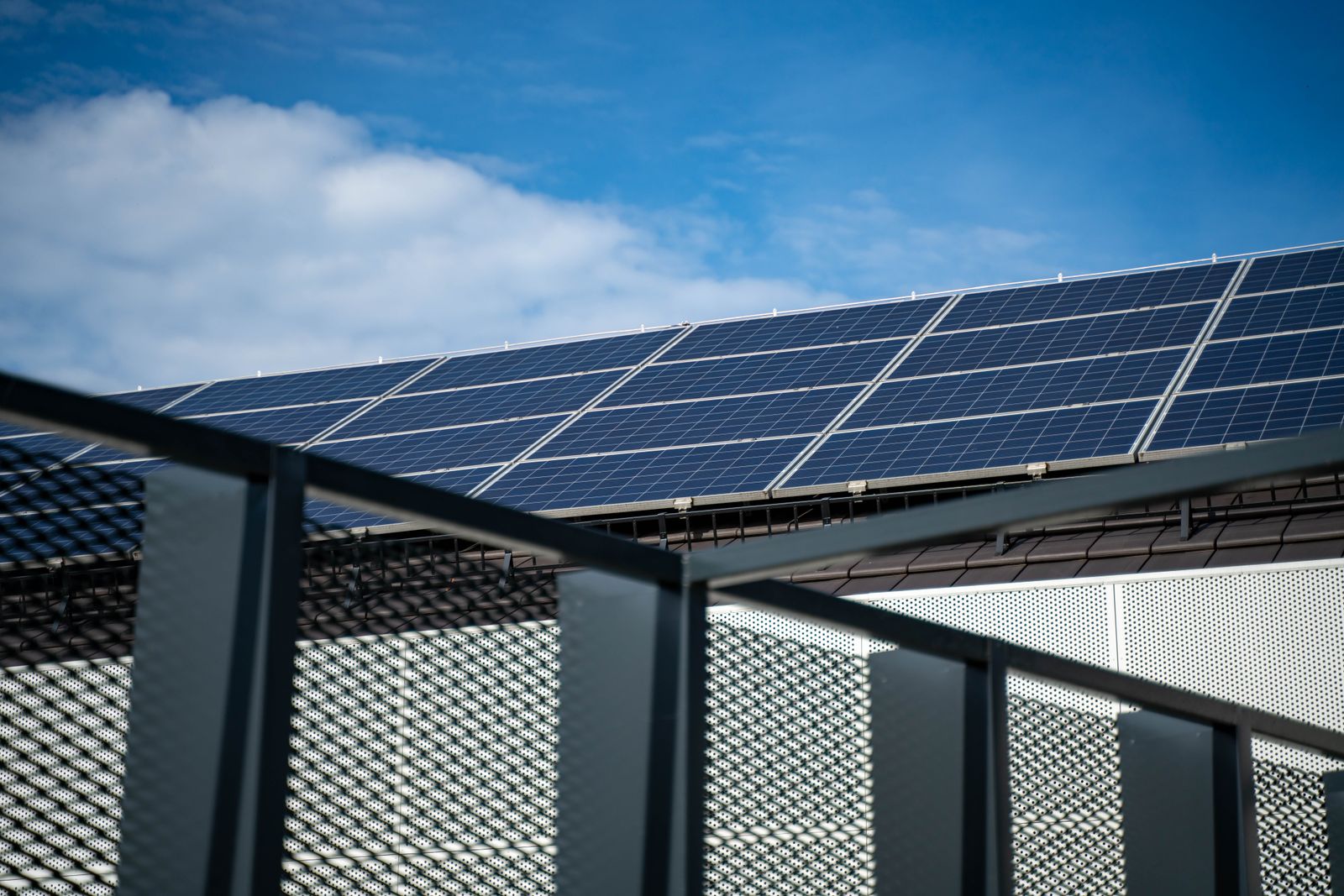
We're building this site one thoroughly researched guide at a time. Six guides published so far, covering panels, kits, generators, and installation.
How we research