How-To Guides
RV Generator Battery: Which Battery Starts Your Generator & How to Keep It Healthy (2026)
Cummins battery specs · Charging architecture explained · No-start troubleshooting · October 2026
When your generator will not start, the battery is the culprit more often than anything else. Yet the question "which battery starts my generator?" gets contradictory answers online, because the answer varies by coach. This guide settles it: which battery cranks your generator, the exact specs Cummins requires, how the battery actually gets charged (counterintuitive), maintenance, replacement, winter storage, and a no-start troubleshooting flow. For generator sizing and selection, see our best generators for campers guide.
Affiliate disclosure: RV Solar Power Guide is reader-supported. When you buy through links on this page, we may earn a commission at no extra cost to you. Our picks come from comparing verified specs and price. We don't accept payment for placement.
Which battery?
Most RV generators crank from the house batteries, not a dedicated battery. Some coaches use the chassis battery.
How big?
Cummins requires minimum 460 CCA at 0°F (Onan QG 4000) or 450 CCA at -18°C (Onan 5.5/6.5).
Charging
The generator does NOT recharge its own battery on 1990s+ units. The RV converter does, using 120V AC.
#1 no-start cause
Battery problems (weak, discharged, corroded, disconnected) top every symptom list. Check it first.
RV generator battery guide
Battery safety: batteries produce explosive hydrogen gas; work in ventilation, wear eye protection, and disconnect the negative terminal first. If unsure, consult a certified RV technician.
Which battery starts your generator?
The short answer: your house batteries, in most coaches. The generator's starter motor, control board, and 12V fuel pump draw cranking power from the house battery bank. Some coaches, particularly certain Monaco-era diesel pushers, wire the generator to the chassis battery instead. Dedicated generator-only batteries are rare in factory builds but common as owner retrofits.
This is why online advice contradicts itself: one thin content farm says house batteries, another says chassis. Neither cites a source, and both are describing different coaches. Coach makers were not consistent even within a brand, so the only answer that matters is how your RV is wired.
The disconnect test finds out in thirty seconds: turn off your chassis battery disconnect switch, then try to crank the generator. If it still cranks, it starts from the house bank. Reverse the test (chassis on, house disconnect off) to confirm chassis wiring.
What battery does an RV generator need?
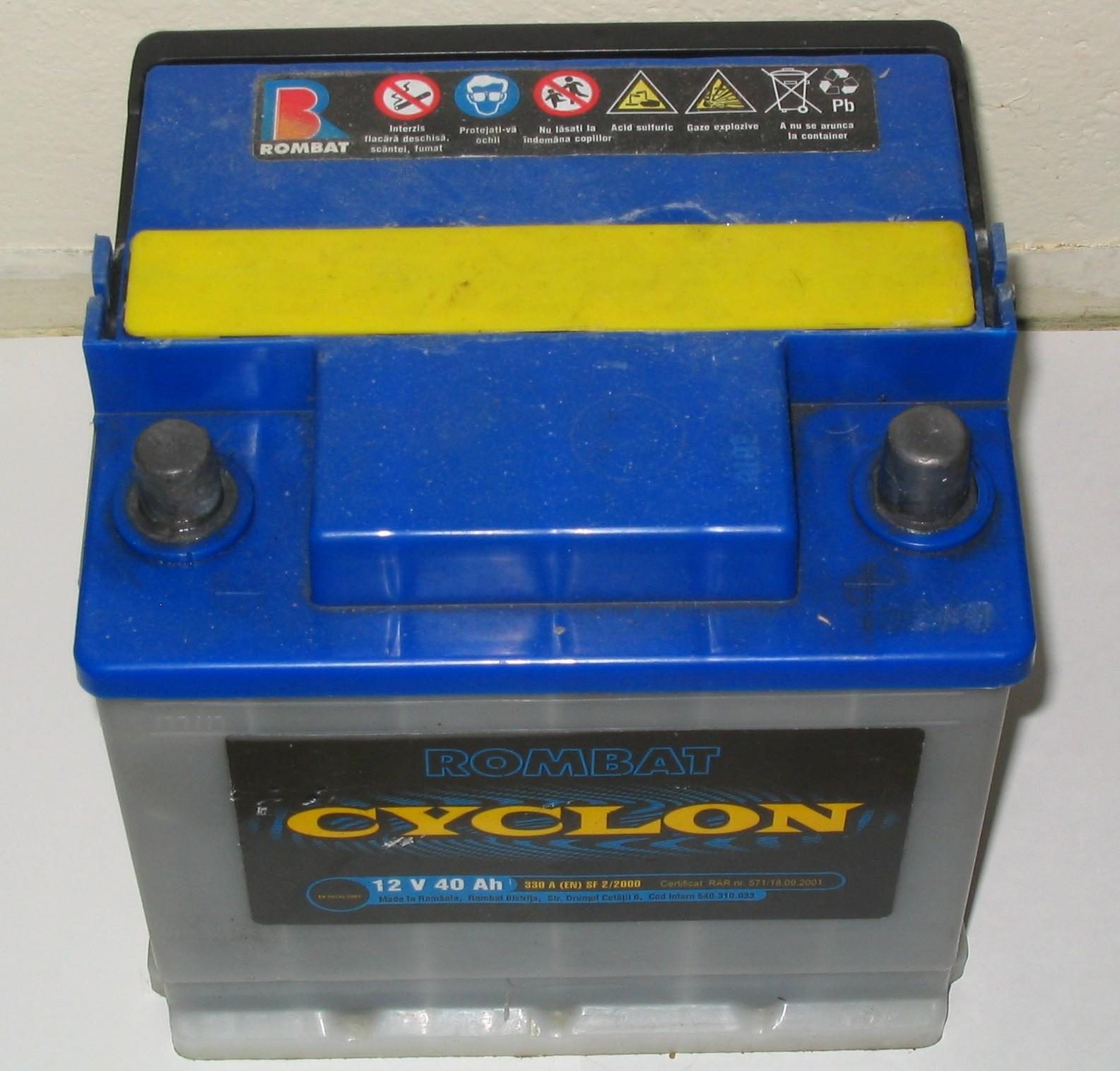
A generator needs cranking amps: a short, high-current burst to turn the engine over. That means a starting-rated battery, measured in CCA (cold cranking amps), is correct for generator duty. A deep-cycle battery survives repeated deep discharges but delivers less cranking punch per amp-hour.
Cummins publishes the requirement plainly on its Onan spec sheets:
- Onan RV QG 4000 (gas): 12V, minimum 460 CCA at 0°F (-18°C).
- Onan 5.5/6.5 HGJAA/HGJAB (gas): 12V, minimum 450 CCA at -18°C (0°F).
Both spec sheets list the battery under "Accessories," which confirms what the forums say: the battery comes from the coach, not with the genset. For owner-added dedicated generator batteries, a Group 24 starting battery is the commonly used size.
Diesel gensets need more CCA than gas equivalents: bigger engines plus glow-plug draw. One owner reports that two 100Ah lithium house batteries failed to crank an 8kW diesel genset while four 6V flooded lead-acid batteries worked. Lithium banks are energy-dense but often lack cranking surge, so if you convert to lithium, verify the cranking amps or keep generator starting on the chassis or a lead-acid battery.
Does the generator charge its own battery?
No, not on 1990s and newer RV units. This is the counterintuitive truth buried in forum threads: the generator has no internal battery charger. The RV's converter/charger charges the batteries, and it does so using 120V AC, which can come from the running generator or from shore power. So running the generator does charge the batteries, just through the converter, not through any charging circuit in the genset.
Practical consequence: never disconnect the house or chassis batteries while the generator is running. The genset's control board and fuel pump run on 12V through the battery loop; removing the battery can shut the generator down. Battery disconnect switches are for storage, not for use while the generator is on.
Own battery vs house battery vs chassis battery
House-bank wiring (most common): simplest, no extra battery to maintain. The downside: a dead house bank means a dead generator, exactly when you need it most.
Chassis-battery wiring: the generator stays independent of house-bank depletion, and the chassis alternator keeps it topped up while driving. The downside: running the house bank down is no longer the only failure mode; a dead chassis battery strands both the engine and the generator.
Dedicated generator battery: total isolation, the best of both worlds, at the cost of buying and maintaining one more battery. Worth considering if you boondock heavily on a coach whose house bank you routinely run low.
The boost switch and other self-rescue tricks
Every motorhome has a built-in rescue tool: the dash boost (aux-start) switch. Hold it while cranking the generator and it parallels the house and chassis banks, borrowing the chassis battery's strength for the start.
- Boost + crank: hold the boost switch, then start the generator. First-line rescue for a low house bank.
- Main engine first: start the RV's engine and let the alternator charge the house bank for about five minutes, then try the generator.
- Jumper cables: you can jump the generator's battery terminals directly from a known-good battery, same as a car. Negative to chassis ground, not to the battery negative post.
- Portable jump pack: keep one charged; it starts generators as well as engines.
Maintenance
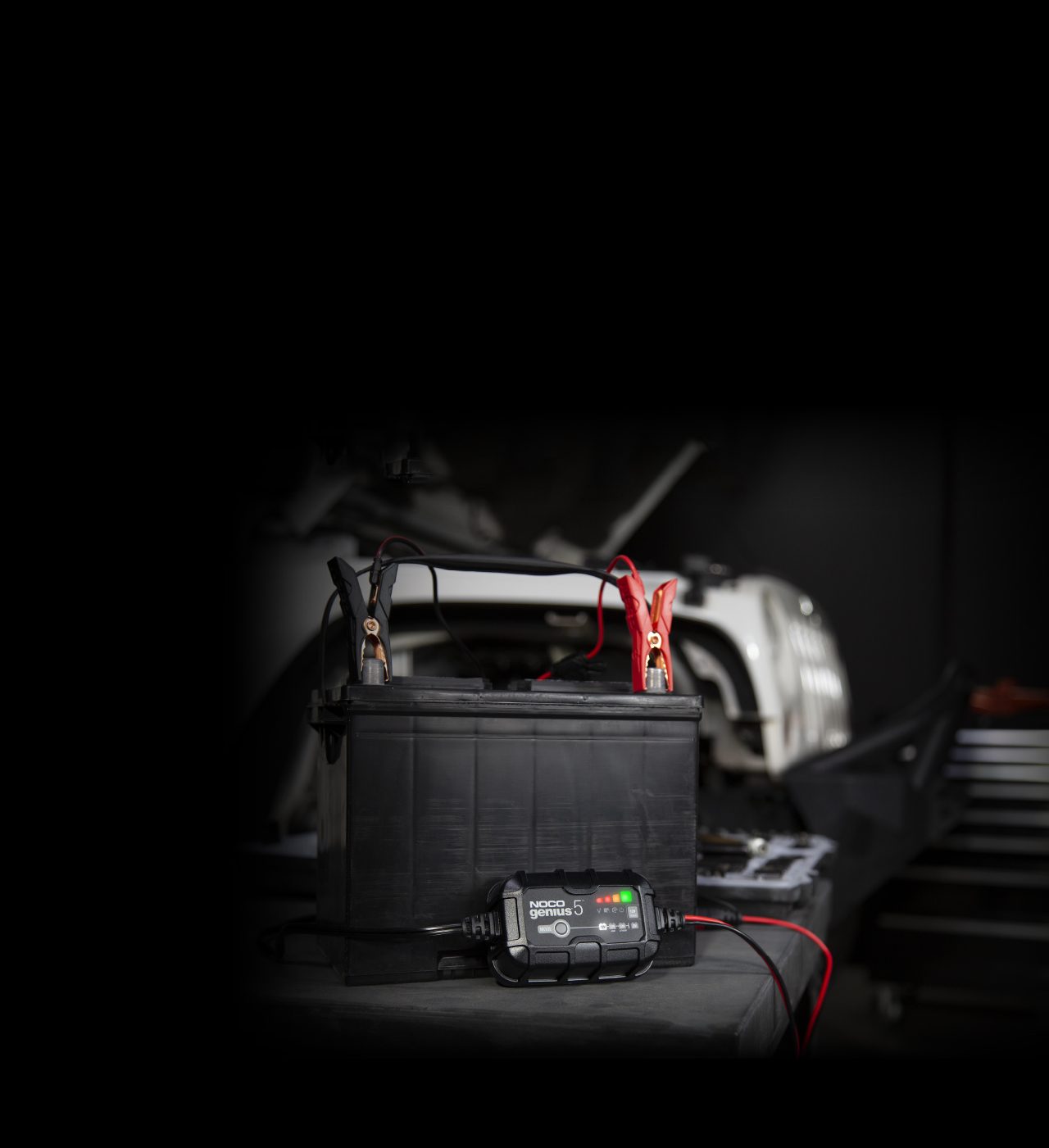
- Terminals: clean corrosion with a wire brush or a baking-soda-and-water wash, then coat with dielectric grease or petroleum jelly. Felt anti-corrosion washers help.
- Flooded batteries: check water levels, top up with distilled water only, keep the plates covered.
- Charge, don't trickle: a smart battery maintainer (NOCO Genius, Battery Tender, and Victron Blue Smart are commonly cited examples) holds float voltage properly. A dumb constant trickle charger can overcharge and boil a battery dry.
- Parasitic drain: detectors, clocks, and control boards drain stored batteries. Use the battery disconnect switch or remove the negative cable for storage.
- Inspect annually: case swelling, terminal looseness, cable chafing. Replace cables, not just the battery, if they are green inside.
Replacement: when and how
When: about 3 to 5 years for flooded lead-acid in RV service; shorter with chronic undercharging. Warning signs: sluggish cranking, voltage that sags below ~11.8V during crank (a healthy battery holds 12.2-12.3V at rest, per an NRVTA tech tip), or a load test that fails. Get a free load test at any auto parts store before buying.
How: size for the CCA spec above, not just physical fit. Swap procedure: disconnect negative first, then positive; remove the old battery; clean the tray and terminals; install the new battery; connect positive first, then negative; coat terminals. Ventilate the compartment and keep sparks and flames away. Recycle the old battery; most sellers take the core.
Winter storage
- Fully charge the battery before storage.
- Disconnect the negative cable or flip the disconnect switch to kill parasitic drain.
- Connect a smart maintainer and leave it on all winter.
- Re-check every 2 to 3 months.
- A discharged lead-acid battery can freeze, and a frozen battery is usually destroyed by sulfation. A charged battery resists freezing far better, which is why the maintainer matters. Typical self-discharge is about 3-5% per month (faster in heat), so "it'll be fine for six months" is how batteries die.
No-start troubleshooting
Work this flow in order. Do not repeatedly hold the start switch when the engine barely turns; follow your manual's cranking and cooldown limits to avoid overheating the starter.
- Nothing at all (no clicks, no light): check the battery disconnect switches, the 5A control fuse, and whether the genset's start switch shows a red light. Red light OFF means no 12V is reaching the generator at all: dead battery, blown fuse, or a disconnect in the wrong position.
- Clicks but no crank: classic weak battery. Check voltage, clean and tighten terminals, inspect cables and the starter solenoid. Try the boost switch. On diesels, clicking before cranking can be normal: the fuel pump priming and glow plugs heating, which may take 15-30 seconds in the cold.
- Cranks but won't start: now it is fuel, not battery. Prime the generator (hold the stop side of the switch briefly on many Onans), check the air filter, and check your main fuel tank: Onan RV gensets draw from the RV tank with the pickup set above the 1/4-tank level, so a low tank starves the generator.
- Starts then dies: check oil level (low-oil shutdown) and read the fault code: three flashes on the start switch, then press stop for the two-digit code. Code 30 means cranking speed too low: the battery again.
Frequently asked questions
Does my RV generator have its own battery?
Usually not. Cummins lists the battery under 'Accessories' on its Onan spec sheets, confirming the battery is coach-supplied. Most RV generators crank from the house battery bank; some coaches wire the generator to the chassis battery. Dedicated generator batteries are rare in factory builds but common as owner retrofits.
What size battery does an Onan generator need?
Per Cummins's own spec sheets: the Onan RV QG 4000 needs a 12V battery with minimum 460 cold cranking amps at 0F, and the Onan 5.5/6.5 HGJAA/HGJAB needs 12V with minimum 450 CCA at -18C. A starting-rated battery is correct for generator duty; a Group 24 is the commonly used size for dedicated generator batteries.
Why does my generator click but not start?
Clicks with no crank is the classic weak-battery symptom: low voltage, corroded terminals, loose cables, or a bad starter solenoid. Check battery voltage (should hold 12.2-12.3V at rest), clean and tighten all connections, and inspect the 5A control fuse. On diesels, some clicking before cranking is normal priming and glow-plug heating.
Will my generator start if my house batteries are dead?
Usually not if your coach wires the generator to the house bank, which most do. The built-in rescue is the dash boost (aux-start) switch, which parallels the house and chassis banks for emergency cranking. Alternatively, start the main engine first and let the alternator charge the house bank for about five minutes.
Does running the generator charge the batteries?
Indirectly, yes, but not the way most people think. On 1990s and newer RV units, the generator itself has no internal battery charger; the RV's converter/charger charges the batteries using 120V AC, which can come from the running generator or shore power. Never disconnect the batteries while the generator is running.
How long does an RV generator battery last?
About 3 to 5 years for flooded lead-acid in RV service, shorter with chronic undercharging. Heat, deep discharges, and long storage without a maintainer all shorten life. Have it load-tested if it is over three years old and cranking sounds sluggish.
Can I use a lithium battery to start my generator?
Carefully. Lithium house banks are energy-dense but often lack cranking surge; one owner reports that two 100Ah lithiums failed to crank an 8kW diesel genset while four 6V flooded lead-acid batteries worked. If converting to lithium, verify the battery's cranking amps or keep generator starting on the chassis or a lead-acid battery.
Do I need to disconnect the battery when the generator is running?
Do NOT disconnect the battery while the generator is running. The genset's control board and 12V fuel pump run through the battery loop, and removing the battery can shut the generator down. The battery disconnect switches are for storage, not for use while the generator is on.
How do I store my RV generator battery for winter?
Fully charge it, disconnect the negative cable (or use the disconnect switch), and put it on a smart battery maintainer, not a dumb trickle charger. Re-check every 2 to 3 months. A discharged lead-acid battery can freeze and sulfate, which usually destroys it.
What does fault code 30 mean on an Onan generator?
Fault code 30 on an Onan RV generator means cranking speed too low, which points to a low or weak battery. Read the code from the genset's start switch: three flashes, then press stop for the two-digit code. Charge or replace the battery and clean the terminals before looking elsewhere.